How to read research on habits and income
Correlation and causation, natural experiments, replication. How to read studies on habits and income without taking them at face value.
7 articles
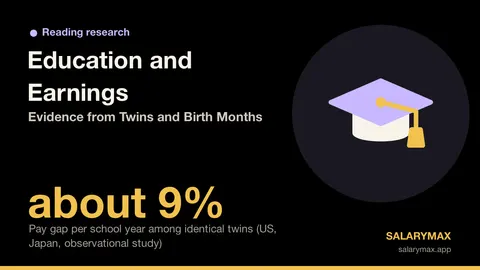 Education and Earnings: Evidence from Twins and Birth MonthsAmong identical twins in the US and Japan, each year of schooling went with about 9% higher earnings. Twin and birth-month studies help separate schooling from ability.
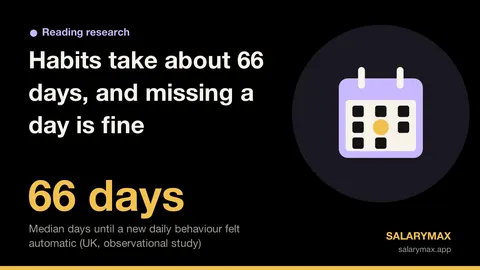 Habits take about 66 days, and missing a day is fineIn a UK study, the median time for a new behavior to become automatic was 66 days, ranging from 18 to 254 days. Missing one day had little effect on forming the habit.
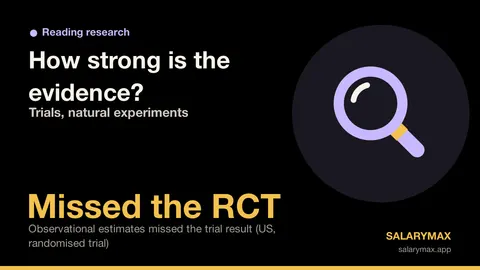 How strong is the evidence? Trials, natural experimentsIn a US job-training study, many estimates from observational data failed to match a randomised trial. The strengths and limits of each kind of study, and what to check.
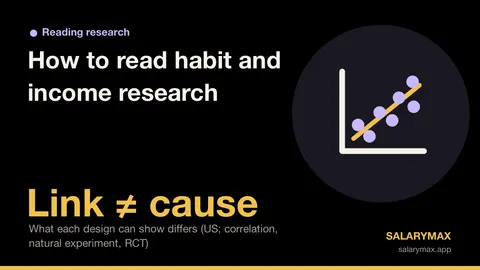 How to read habit and income researchThat exercisers tend to earn more and that more sleep leads to higher earnings are different kinds of claims. Three research designs, and how far each one lets you go.
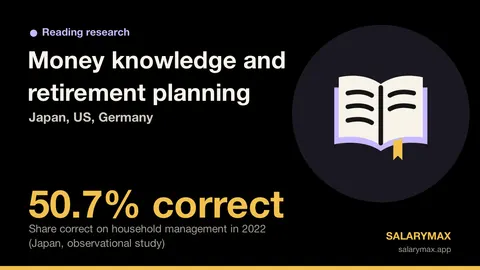 Money knowledge and retirement planning: Japan, US, GermanyStudies in the US, Germany and Japan find people who know more about money tend to plan for retirement. Japan's 2022 survey: 50.7% correct on household management.
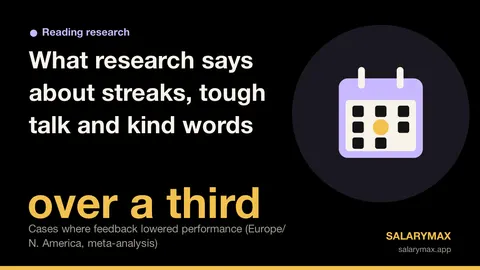 What research says about streaks, tough talk and kind wordsIn seven US experiments, showing a streak as broken made people less likely to keep going, and a feedback review found over a third of feedback lowered performance.
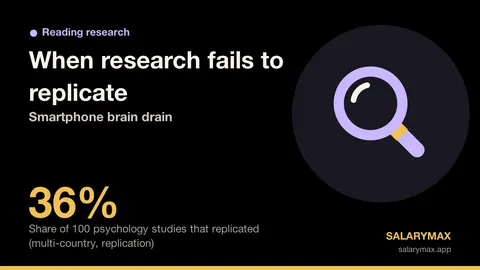 When research fails to replicate: smartphone brain drainA 2017 US study reported that just having your smartphone nearby dulls thinking, but a preregistered replication did not reproduce it. How SalaryMax picks its evidence.