Work and income: what the research says
Changing jobs, negotiating, learning new skills, working from home, long hours. What studies have found about how people work and what they are paid, with the country, the data and the kind of study.
30 articles
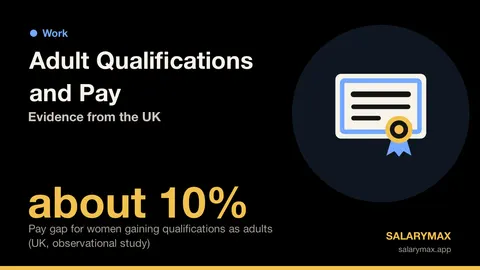 Adult Qualifications and Pay: Evidence from the UKIn UK panel data, women who gained adult qualifications earned about 10% more per hour in the medium run. For men, the gap vanished once prior pay growth was counted.
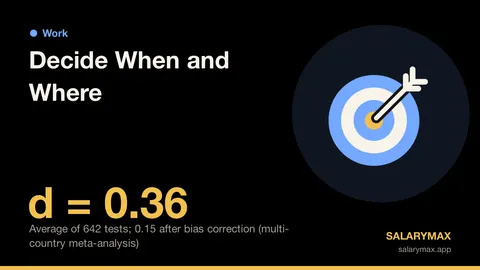 Decide When and WhereDeciding ahead when, where and what you will do (an implementation intention) averaged d = 0.65 across 94 tests. A newer analysis of 642 tests finds a smaller effect.
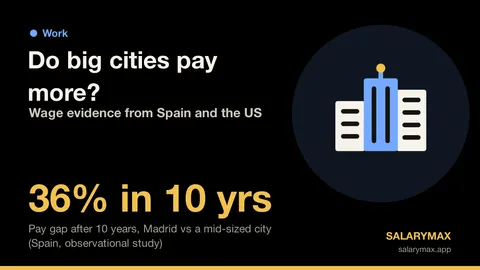 Do big cities pay more? Wage evidence from Spain and the USSpanish data on 157,000 men show similar workers earned 9% more in Madrid than in a mid-sized city at first, 36% more after 10 years. Observational; before living costs.
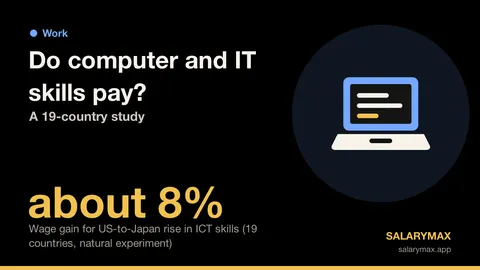 Do computer and IT skills pay? A 19-country studyA 19-country study using OECD PIAAC data and broadband rollout estimated that raising ICT skills from the US to the Japanese average would lift wages by about 8%.
 Do employee referrals stay longer? US company dataIn US company records, referred applicants were more likely to be hired and less likely to quit. Starting pay was 2.1% higher, but the gap faded in about three years.
 Do job training programmes work? 200+ studies and US trialsA review of 200+ evaluations found training effects on jobs are small at first and grow after two years. In US randomised trials, sector training raised earnings 12–34%.
 Do licensed workers earn more? US and Japanese evidenceIn a 2008 US survey, workers in jobs requiring a license earned about 18% more. A Japanese survey found a similar link for licenses used at work. Both are observational.
 Do longer working hours mean more output? WWI factory dataIn British World War I munitions factories, output rose with hours up to about 49 a week, then slowed; 70 hours produced little more than 56. The data are observational.
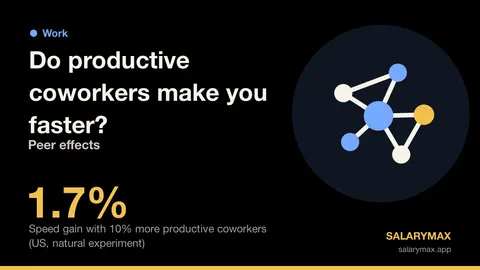 Do productive coworkers make you faster? Peer effectsIn a US supermarket study, when same-shift coworkers were 10% more productive, cashiers worked 1.7% faster. Across a German city, the same gap meant just 0.1% higher pay.
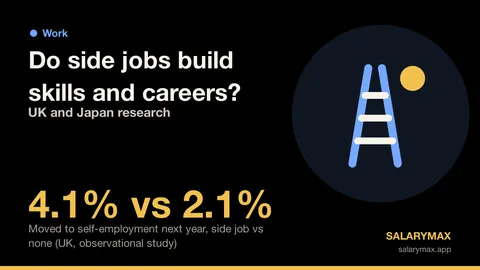 Do side jobs build skills and careers? UK and Japan researchIn UK working-paper data on men, 4.1% with a second job became self-employed the next year, versus 2.1% without one. A Japanese panel study found benefits for only some.
 Do Weak Ties Help You Change Jobs? A 20-Million-User TestRandomized tests on over 20 million LinkedIn users found moderately weak ties led to the most job moves. They measured mobility, not pay; Japan data favored strong ties.
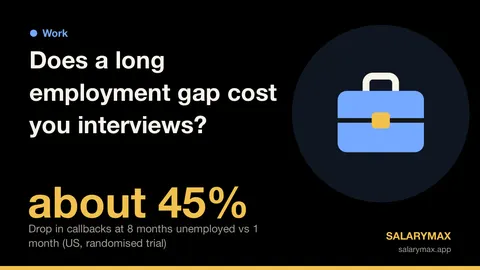 Does a long employment gap cost you interviews?In a US experiment with about 12,000 fictitious résumés, an 8-month jobless spell drew about 45% fewer callbacks than a 1-month spell. Most of the drop came early.
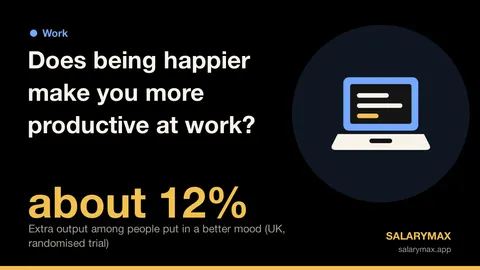 Does being happier make you more productive at work?In UK experiments, people randomly put in a better mood did about 12% more piece-rate work. At UK call centres, happier weeks brought more sales, even in a weather test.
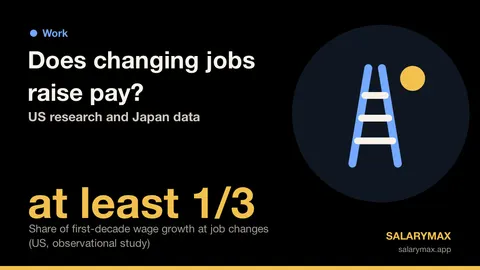 Does changing jobs raise pay? US research and Japan dataA US study of young men found at least a third of wage growth in their first 10 years came at job changes. In Japan in 2025, 40.8% of job changers got more, 31.0% less.
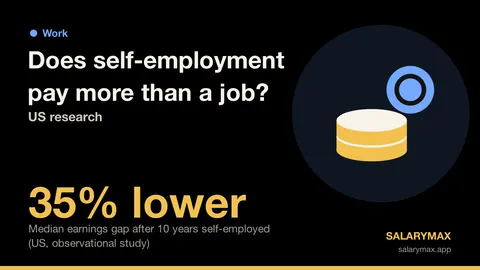 Does self-employment pay more than a job? US researchA classic US study found median earnings after 10 years of self-employment about 35% below paid work. Incorporated owners tended to earn more. The data are observational.
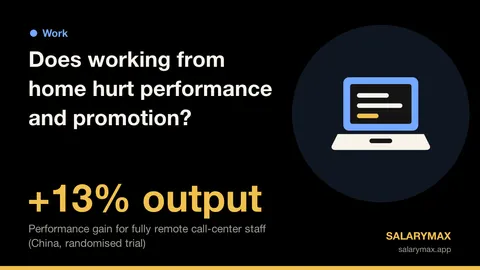 Does working from home hurt performance and promotion?Two randomized experiments at Chinese travel firms found working from home did not lower performance and cut quitting, though full-time home workers were promoted less.
 Does your college major change your earnings? A Norway studyA natural experiment at Norway's admission cutoffs found similar applicants earned very different sums by field. A working paper put science at about 3 times humanities.
 Does your employer change your pay? Germany and US evidenceIn US data, two-thirds of rising earnings inequality arose between firms, mostly from who works where. West German men who moved to higher-paying workplaces gained.
 Don't Just Accept the First OfferIn a US survey of 149 new hires, those who negotiated had starting salaries about $5,000 higher on average. Here is how to prepare, in three parts.
 Generative AI at Work: How Productivity Changed in StudiesIn a study of 5,172 support agents, generative AI raised issues solved per hour by 15%, most for newer staff; a writing test cut time by 40%. Effects on pay are unknown.
 Graduating in a recession: what happens to your earnings?Canadian men who left college in a typical recession earned about 9% less at first, and the gap took about 10 years to fade. In Japan, less-educated men were hit longer.
 How much and how long do earnings fall after a job loss?In Pennsylvania, long-tenured US workers who left struggling firms lost about 25% of prior earnings a year over time. In Japan, men's income was still lower 3 years on.
 Literacy, Numeracy and Wages: PIAAC Data From 23 CountriesA 23-country study of the OECD PIAAC survey found 1 SD more numeracy went with 17.8% higher hourly pay on average, 18.4% in Japan and about 28% in the US. A correlation.
 Negotiation and the Gender Gap: When Asking Is AllowedIn a US experiment with nearly 2,500 job seekers, saying in the job ad that wages are negotiable made the gender gap in negotiation disappear. Read with data from Sweden.
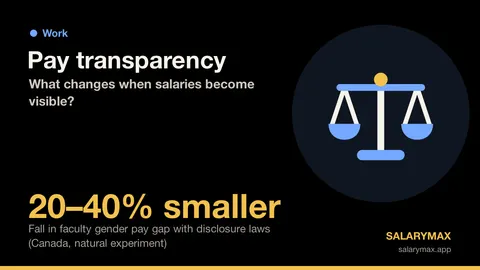 Pay transparency: what changes when salaries become visible?Canadian laws making university faculty salaries public cut the gender pay gap by about 20–40%. In a Southeast Asian bank experiment, learning a boss's pay raised hours.
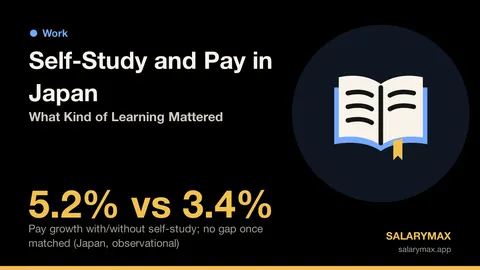 Self-Study and Pay in Japan: What Kind of Learning MatteredIn Japanese panel data, regular employees who did self-study saw income grow 5.2% in two years, versus 3.4% for others, but the gap vanished once job quality was matched.
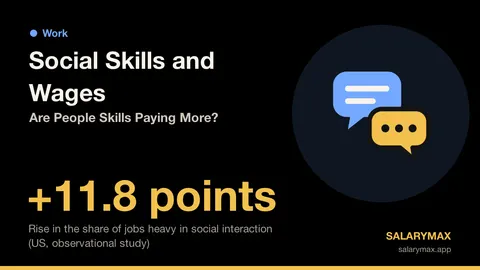 Social Skills and Wages: Are People Skills Paying More?A US study found that jobs with lots of social interaction grew by 11.8 points as a share of work from 1980 to 2012, and pay rose most where math and social skills meet.
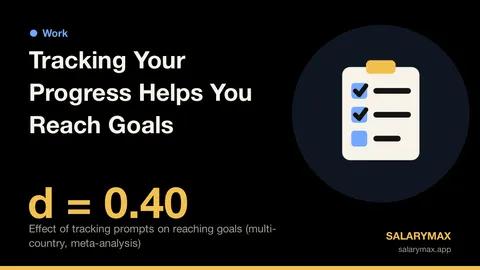 Tracking Your Progress Helps You Reach GoalsA meta-analysis of 138 experiments found prompting people to monitor their progress improved goal attainment (d = 0.40). Turn a one-line daily note into review material.
 Training and Wages: What German Data ShowIn German panel data, people who took training in general, transferable skills earned about 5–6% more on average. Firm-specific training showed no clear difference.
 What Procrastination Is Linked ToA meta-analysis of 691 correlations linked procrastination most strongly to task unpleasantness, a distant deadline, self-efficacy, impulsiveness and conscientiousness.